 Reviews



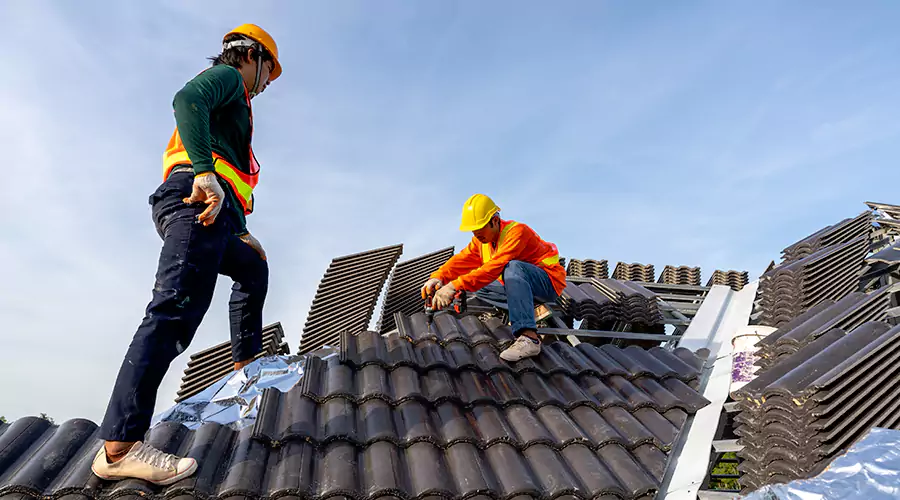
A roof leak can feel stressful, especially when water starts dripping from the ceiling during heavy rain. The most important thing is to act quickly without putting yourself in danger. Fast roof leak repair can help prevent damage to ceilings, drywall, insulation, flooring, furniture, electrical systems, and personal belongings if the issue is not handled right away.
Homeowners should focus on three things first: protect people, limit interior damage, and document the leak. After that, the roof should be inspected by a professional to find the source and plan the right repair. A small leak can turn into a bigger problem if water keeps entering the home.
Quick Answer: What Should You Do First?
If your roof starts leaking, move valuables away from the water, place a bucket under the drip, protect the floor, and avoid touching electrical fixtures near the leak. Take photos of the damage, check the attic only if it is safe, and call a professional roofing contractor for emergency roof repair or temporary tarping.
Do not climb on the roof during rain or bad weather. Wet roofing materials are slippery, and damaged areas may be weak or unstable.
Step 1: Protect Your Safety First
Your safety comes before the roof, ceiling, or belongings. Water and electricity can be dangerous together. If the leak is near lights, ceiling fans, outlets, or electrical panels, stay away from the area and turn off power to that section of the home if you can do so safely.
Watch for ceiling bulges, sagging drywall, wet insulation, and slippery floors. A ceiling bubble filled with water can burst suddenly. If the ceiling looks like it may collapse, keep people and pets away from the room.
Call emergency help if there is active electrical danger, major structural damage, or flooding inside the home.
Step 2: Move Furniture and Valuables Away
Once the area is safe, move furniture, electronics, rugs, clothing, documents, and personal items away from the leak. Water can ruin items quickly, especially wood furniture, fabric, books, mattresses, and electronics.
If large furniture cannot be moved, cover it with plastic, towels, or waterproof material. Move smaller items to a dry room. The faster you clear the area, the less damage you may have to deal with later.
Common items to protect include:
- Sofas and chairs
- Beds and mattresses
- Electronics and chargers
- Rugs and carpets
- Important documents
- Clothing and shoes
- Wood tables and cabinets
- Photos and keepsakes
Even a slow drip can cause expensive damage if it continues for several hours.
Step 3: Catch the Water and Protect the Floor
Place a bucket, bowl, trash can, or large container under the leak. Put towels around the container to catch splashes. If water is hitting a hard surface, place a towel inside the bucket to reduce splashing.
For carpeted rooms, use towels, plastic sheets, or a waterproof barrier to limit soaking. Wet carpet and padding can lead to odors, stains, and mold growth if not dried quickly.
If water spreads across the floor, mop it up often. This helps reduce slip hazards and lowers the chance of floor damage.
Step 4: Relieve a Ceiling Bubble Carefully
Sometimes water collects behind ceiling paint or drywall and creates a bubble. This can look like a sagging pocket in the ceiling. If the bubble keeps growing, it may burst and spread water across the room.
If it is safe and there are no electrical fixtures nearby, you can place a bucket under the bubble and carefully puncture the lowest point with a small tool to let the water drain in a controlled way. Wear eye protection and keep your face away from the area.
Do not do this if the ceiling looks unstable, if the bubble is near electrical wiring, or if you are unsure what is above it. In that case, keep the room clear and call a professional.
Step 5: Take Photos and Videos
Documentation is important if you plan to file an insurance claim. Take photos and videos before cleaning everything up. Capture the leak, ceiling stains, wet floors, damaged belongings, attic moisture, and any visible roof damage from the ground.
Good documentation should show:
- Where the water entered
- How much water came in
- What rooms were affected
- What belongings were damaged
- The date and time of the leak
- Weather conditions when the leak happened
Do not delete photos that seem minor. Small details can help support your claim or help the roofing contractor understand the problem.
Step 6: Check the Attic If It Is Safe
The attic can help you locate the general area of the leak. If it is safe to enter, use a flashlight and look for wet insulation, dripping water, dark wood stains, moldy smells, or water trails along rafters.
Do not step directly on insulation or drywall. Walk only on secure framing or attic flooring. If the attic is dark, cramped, or unsafe, skip this step and wait for a professional inspection.
The place where water appears inside the home is not always directly below the roof leak.
Step 7: Call a Roofing Contractor Quickly
After you control the immediate leak, contact a roofing contractor for inspection and repair. Roof leaks often come from damaged shingles, cracked flashing, worn pipe boots, clogged valleys, damaged vents, skylight issues, or storm damage.
Call for help sooner if you notice:
- Water entering multiple rooms
- A sagging ceiling
- Missing shingles after wind
- A tree branch on the roof
- Large ceiling stains
- Wet attic insulation
- More rain in the forecast
Step 8: Use Temporary Protection If Needed
Temporary protection may be necessary when repairs cannot be completed right away. A roofer may install emergency roof tarping over the damaged area to reduce water entry.
Homeowners should avoid placing a tarp themselves unless they can do it safely. Keep receipts for emergency work for insurance purposes.
Step 9: Start Drying the Area
Once the leak is controlled, begin drying the affected area using towels, fans, and ventilation. If carpet, insulation, drywall, or wood stays wet too long, mold can begin developing.
Open windows only if conditions are dry. For serious water damage, contact a professional cleanup service.
Emergency Roof Leak Checklist
- Keep people and pets away from unsafe areas
- Move valuables and furniture
- Place a bucket under the drip
- Protect floors with towels or plastic
- Avoid electrical fixtures near water
- Take photos and videos
- Check the attic only if safe
- Call a roofing contractor
- Request temporary tarping if needed
- Dry the affected area quickly
- Save receipts and repair records
Final Thoughts
After a roof leak, the first step is to stay safe and limit water damage inside the home. Move belongings, catch the water, protect the floor, document the damage, and call a professional roofer as soon as possible.
A fast response can reduce repair costs, prevent mold, and protect your home from further damage. The sooner the roof is inspected and repaired, the easier it is to stop the leak before it becomes a bigger problem.